


In the hustle and bustle of our daily lives, we often overlook the invisible companion that surrounds us—air. The quality of the air we breathe is a crucial determinant of our overall well-being. This article will delve into the realm of air quality monitoring, exploring its significance and why it should be at the forefront of our concerns.
Defining Air Quality Monitoring
Air quality monitoring is the systematic observation and assessment of the composition of the air in our environment. It involves the measurement of various pollutants and contaminants present in the air.
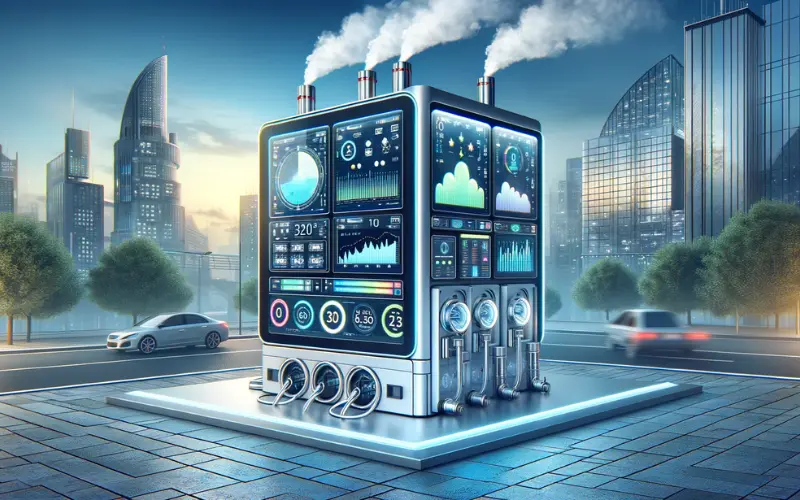
Components of Air Quality Monitoring
To comprehend the intricacies of air quality monitoring, one must understand the components involved:
1. Sensors and Instruments
State-of-the-art sensors and instruments are deployed to measure the concentration of pollutants such as particulate matter (PM), nitrogen dioxide (NO2), sulfur dioxide (SO2), and ozone (O3).
2. Data Analysis
Advanced data analysis techniques are employed to interpret the collected data, providing insights into the levels of pollutants present in the air.
Why is Air Quality Monitoring Important?
The significance of air quality monitoring cannot be overstated. Let’s delve into the reasons that make it a vital pursuit for our well-being.
1. Human Health Impact
Respiratory Health
Poor air quality is linked to a myriad of respiratory issues, including asthma and bronchitis. Monitoring helps identify potential health risks and enables timely intervention.
Cardiovascular Health
Certain pollutants can have detrimental effects on cardiovascular health, contributing to heart diseases. Monitoring aids in understanding and mitigating these risks.
2. Environmental Impact
Ecosystem Health
Air pollution doesn’t only affect humans; it also impacts ecosystems. Monitoring helps in assessing the damage to plants, animals, and aquatic life.
Climate Change
Certain pollutants contribute to climate change. Monitoring allows us to track these emissions and work towards sustainable solutions.
3. Regulatory Compliance
Legal Standards
Governments worldwide have set air quality standards. Monitoring ensures compliance with these standards, fostering a healthier and safer living environment.
4. Public Awareness
Informed Decision-Making
Air quality data empowers individuals to make informed decisions. Whether it’s choosing the best time for outdoor activities or supporting policies for cleaner air, awareness is key.
Challenges in Air Quality Monitoring
While the importance of air quality monitoring is evident, there are challenges that need to be addressed for effective implementation.
1. Sensor Accuracy
Calibration Issues
Ensuring the accuracy of sensors requires meticulous calibration, as inaccuracies can lead to misleading results.
2. Data Interpretation
Complex Algorithms
Interpreting data from multiple sensors demands sophisticated algorithms, posing a challenge in obtaining clear and actionable insights.
Current Initiatives in Air Quality Monitoring
Governments, organizations, and communities worldwide are actively engaged in addressing air quality concerns.
1. Government Initiatives
Air Quality Index (AQI)
Many countries use an Air Quality Index to communicate air quality to the public. This initiative fosters transparency and accountability.
2. Technological Advancements
Satellite Monitoring
Satellite technology is increasingly being employed to monitor air quality on a global scale, providing comprehensive data for analysis.
Future Prospects of Air Quality Monitoring
As technology advances, the future of air quality monitoring holds promising developments.
1. IoT Integration
Smart Cities
Integration with the Internet of Things (IoT) will lead to the development of smart cities where real-time air quality data informs urban planning and resource allocation.
2. Citizen Engagement
Mobile Apps
Engaging citizens through mobile apps will democratize air quality data, making individuals active participants in monitoring and improving air quality.
Conclusion
In conclusion, air quality monitoring is not merely a scientific endeavor—it is a necessity for safeguarding our health, preserving the environment, and shaping a sustainable future. Embracing this pursuit collectively will pave the way for a world where every breath we take is a breath of fresh, clean air.


Leave A Comment