


Environmental Monitoring for Pharmaceuticals is a critical process in the pharmaceutical industry, aimed at ensuring the purity, quality, and safety of pharmaceutical products. This article explores what environmental monitoring in this sector entails, its importance, and how it functions.
Environmental monitoring involves the systematic sampling of air, surfaces, and water within pharmaceutical manufacturing environments. The purpose is to detect and control microbial and particulate contamination, ensuring that the environment meets the required cleanliness standards for product safety.
This article will delve into the intricacies of environmental monitoring, exploring its processes, technologies, and significance in the pharmaceutical industry. We will discuss why it’s essential, the regulatory framework governing it, and the challenges faced by companies implementing these monitoring strategies.
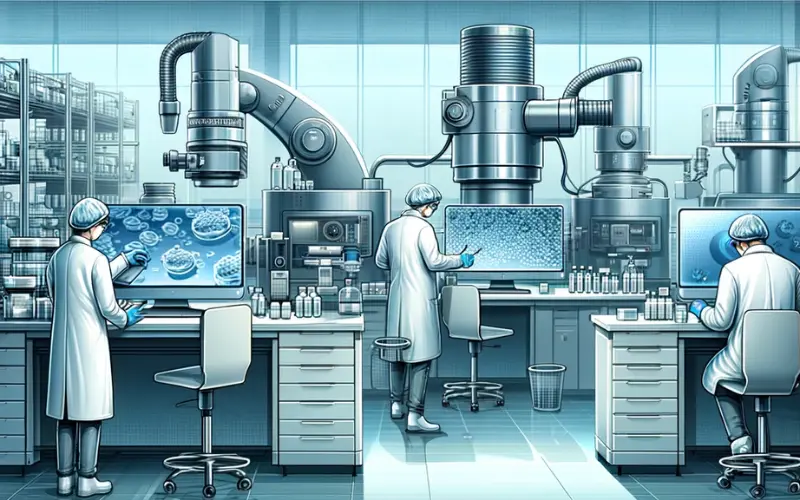
Understanding Environmental Monitoring for Pharmaceuticals
Environmental monitoring in the pharmaceutical sector is a comprehensive process that involves continuous assessment and control of the manufacturing environment to prevent contamination of products.
Definition of Environmental Monitoring
At its core, environmental monitoring for pharmaceuticals refers to the methods and activities used to monitor the levels of microbial and particulate contamination in the production environment. This process is vital for maintaining the sterility and quality of pharmaceutical products.
The Scope of Environmental Monitoring in the Pharmaceutical Industry
The scope of environmental monitoring is broad, encompassing various methods and technologies. It includes monitoring the air quality, surface cleanliness, and water purity within production facilities. This process is integral to ensuring that the manufacturing environment does not adversely affect the safety and quality of pharmaceutical products.
Why Environmental Monitoring is Essential in Pharmaceuticals
Environmental monitoring plays a pivotal role in the pharmaceutical industry, primarily due to its impact on product quality and regulatory compliance.
Ensuring Product Quality and Safety
One of the primary purposes of environmental monitoring is to ensure that pharmaceutical products are free from contamination. This is crucial for patient safety, as any contamination can lead to severe health risks.
Compliance with Regulatory Standards
Pharmaceutical companies are required to comply with stringent regulatory standards set by bodies like the FDA and EMA. Environmental monitoring is a key component of these regulations, ensuring that companies adhere to the highest standards of product quality and safety.
The Process of Environmental Monitoring in Pharmaceuticals
The environmental monitoring process in pharmaceuticals is systematic and involves several key steps to ensure comprehensive coverage.
Key Steps in the Monitoring Process
Environmental monitoring involves a series of steps, starting from identifying critical control points to sampling, testing, and analyzing the results. The process typically includes:
Selection of Monitoring Locations: Identifying critical areas within the manufacturing process where contamination could have a significant impact.
Sampling: Collection of air, surface, and water samples at regular intervals.
Testing: Using various microbiological and particulate testing methods to detect potential contaminants.
Data Analysis: Interpreting the results to assess compliance with standards and identify trends.
Tools and Technologies Used
A range of specialized tools and technologies are employed in environmental monitoring. These include air samplers, particle counters, microbial culture methods, and rapid microbiological methods (RMMs). The use of advanced technologies like real-time monitoring systems and automated sampling devices is also becoming increasingly prevalent.
Types of Environmental Monitoring in Pharmaceuticals
Environmental monitoring encompasses various types, each targeting specific aspects of the manufacturing environment.
Air Quality Monitoring
Monitoring air quality is crucial, as airborne contaminants can significantly impact product safety. This involves measuring particulate levels and detecting microbial contamination in the air.
Surface and Water Monitoring
Monitoring the cleanliness of surfaces and the purity of water used in the manufacturing process is equally important. Surface swabs and contact plates are commonly used for surface monitoring, while water is regularly tested for microbial and chemical contamination.
Data Collection and Analysis in Environmental Monitoring
Effective environmental monitoring relies heavily on accurate data collection and thorough analysis.
Methods of Data Collection
Data is collected through various sampling methods, including active air sampling, passive air sampling (settle plates), surface sampling (swabs and contact plates), and water sampling. Each method is chosen based on the monitoring objectives and the nature of the manufacturing environment.
Analyzing and Interpreting Data
The collected data is analyzed to identify trends, assess compliance with predefined limits, and make informed decisions about the manufacturing process. Advanced data management systems are often used to handle the large volumes of data generated, facilitating easier analysis and reporting.
Regulatory Framework for Environmental Monitoring
The regulatory landscape for environmental monitoring in pharmaceuticals is complex and varied across different regions.
Global Standards and Guidelines
Several international and national regulatory bodies set standards for environmental monitoring. Key among them are the FDA (U.S. Food and Drug Administration), EMA (European Medicines Agency), and WHO (World Health Organization). These agencies provide guidelines that outline the requirements for environmental monitoring, including the types of tests to be conducted, frequency of testing, and acceptable limits for contaminants.
Compliance Challenges
Complying with these regulatory standards can be challenging, especially for companies operating globally. The key to successful compliance lies in understanding and adapting to the varying requirements of different regulatory bodies, and implementing robust environmental monitoring programs that meet these standards.
Best Practices in Environmental Monitoring for Pharmaceuticals
Implementing best practices in environmental monitoring is essential for effective contamination control and regulatory compliance.
Designing an Effective Monitoring Plan
A well-designed environmental monitoring plan should cover all critical aspects of the manufacturing process. It involves:
Identifying Critical Control Points: Pinpointing areas where contamination could have the most significant impact.
Defining Sampling Frequency and Methods: Establishing how often and by what methods samples will be collected.
Setting Action and Alert Limits: Determining thresholds for contamination levels that trigger specific actions.
Training and Personnel Competence
The success of an environmental monitoring program heavily depends on the skills and knowledge of the personnel involved. Regular training and competency assessments are crucial to ensure that staff can effectively implement the monitoring plan and respond appropriately to any deviations from the set standards.
Technological Advancements in Environmental Monitoring
The field of environmental monitoring is continually evolving, with new technologies enhancing efficiency and accuracy.
Innovations and Their Impact
Recent innovations in environmental monitoring include the use of automated sampling systems, real-time monitoring technologies, and advanced analytical methods. These technologies provide faster, more accurate data, enabling more effective contamination control.
Future Trends in Monitoring Technologies
Looking ahead, trends such as the integration of artificial intelligence and machine learning in data analysis, and the development of more sophisticated sensors, are set to further transform environmental monitoring practices in the pharmaceutical industry.
Challenges in Environmental Monitoring for Pharmaceuticals
Despite advancements, several challenges remain in implementing effective environmental monitoring.
Dealing with Complex Environments
Pharmaceutical manufacturing environments can be highly complex, making effective monitoring challenging. Adapting monitoring strategies to accommodate different types of manufacturing processes and facilities is essential.
Managing Data Integrity and Security
With the increasing reliance on digital data collection and analysis, ensuring the integrity and security of environmental monitoring data is a growing concern. Implementing robust data management and cybersecurity measures is crucial.
How Environmental Monitoring for Pharmaceuticals Works: A Summary
Environmental monitoring in the pharmaceutical industry is a multifaceted process that ensures product safety and compliance with regulatory standards.
Recap of Key Processes
The process involves the systematic sampling and analysis of air, surfaces, and water in manufacturing environments. It uses various methods and technologies to detect and control contamination and relies on data analysis to inform decision-making.
Highlighting the Integral Role in Pharma Industry
Environmental monitoring is not just a regulatory requirement; it’s a critical component of quality assurance in pharmaceutical manufacturing. It plays a vital role in protecting patient safety and maintaining the integrity of pharmaceutical products.
The Role of Technology in Enhancing Environmental Monitoring
The integration of technology into environmental monitoring is transforming the landscape of pharmaceutical manufacturing.
Automation and Real-Time Monitoring
Automation and real-time monitoring systems offer more efficient, accurate, and consistent monitoring capabilities. They enable quicker responses to potential contamination events and streamline the monitoring process.
Integrating AI and Machine Learning
AI and machine learning are emerging as powerful tools in environmental monitoring. They offer the potential for predictive analytics, trend analysis, and more sophisticated risk assessment capabilities.
Preparing for the Future: Environmental Monitoring and Pharma Industry Trends
The pharmaceutical industry is continuously evolving, and environmental monitoring must adapt to these changes.
Anticipating Future Challenges
Pharmaceutical companies must anticipate and prepare for future challenges, including more stringent regulatory requirements, emerging contaminants, and evolving manufacturing technologies.
Adapting to Evolving Industry Standards
Staying abreast of industry trends and technological advancements is crucial. Companies must continuously update their environmental monitoring practices to remain compliant and ensure the highest levels of product quality and safety.
Conclusion: The Importance of Effective Environmental Monitoring
Environmental monitoring is a critical component of pharmaceutical manufacturing, ensuring product safety and compliance with regulatory standards.
Recap of Key Points
This article has covered the various aspects of environmental monitoring in pharmaceuticals, from its definition and importance to the challenges and future trends.
Final Thoughts and Outlook
As the pharmaceutical industry continues to advance, the role of environmental monitoring will become even more vital. Companies must embrace new technologies and best practices to meet the evolving demands of the industry and continue to safeguard public health.


Leave A Comment